

5 signs your hotel needs a self check-in system
Most hotel owners don't wake up one morning and decide they need a self check-in system. It's usually a slow build — small frustrations that compound over months until the cost of doing nothing becomes harder to ignore than the cost of change.
Most hotel owners don't wake up one morning and decide they need a self check-in system. It's usually a slow build — small frustrations that compound over months until the case for change becomes undeniable.
If you run a small or mid-sized hotel, especially in Southeast Asia, you've probably experienced at least one situation below. Recognising three or more suggests it's time to seriously consider front desk automation.
1. You're paying for a front desk that's empty most of the day
Guests don't arrive in predictable waves. You might staff for scattered arrivals throughout the day while receptionists sit idle during the gaps. Staffing costs typically consume 30–40% of total hotel revenue, and smaller properties feel this pinch more acutely since fixed costs don't scale with room count.
The system shifts responsibility: guests handle passport scanning, registration, payment, and key collection independently — while staff focus on genuinely human tasks or reduced shift coverage.
2. You can't fill your front desk positions (or you keep losing staff)
Hiring and retaining front desk workers remains challenging across the industry. 65% of hotels still report staffing shortages, with front desk roles accounting for 26% of all unfilled positions.
Asia-Pacific faces sharper challenges with smaller talent pools and rising wage expectations. Every departure triggers recruitment cycles and uncertainty.
The system reduces dependency on individual staff members. Core arrival mechanics — identity verification, registration, payment processing, key delivery — function automatically when personnel leave unexpectedly.
3. Late-night and early-morning arrivals are costing you
Late flights, missed connections, and careless booking readers create arrivals outside standard hours. Hotels face difficult choices: pay for overnight coverage or lose revenue. Workarounds like unattended key delivery introduce security concerns and compliance risks.
Self check-in enables 24/7 arrivals seamlessly. Guests scan passports, complete registration, and access rooms via phone or lobby devices at any hour without staff involvement.
4. Compliance reporting is eating into your team's time
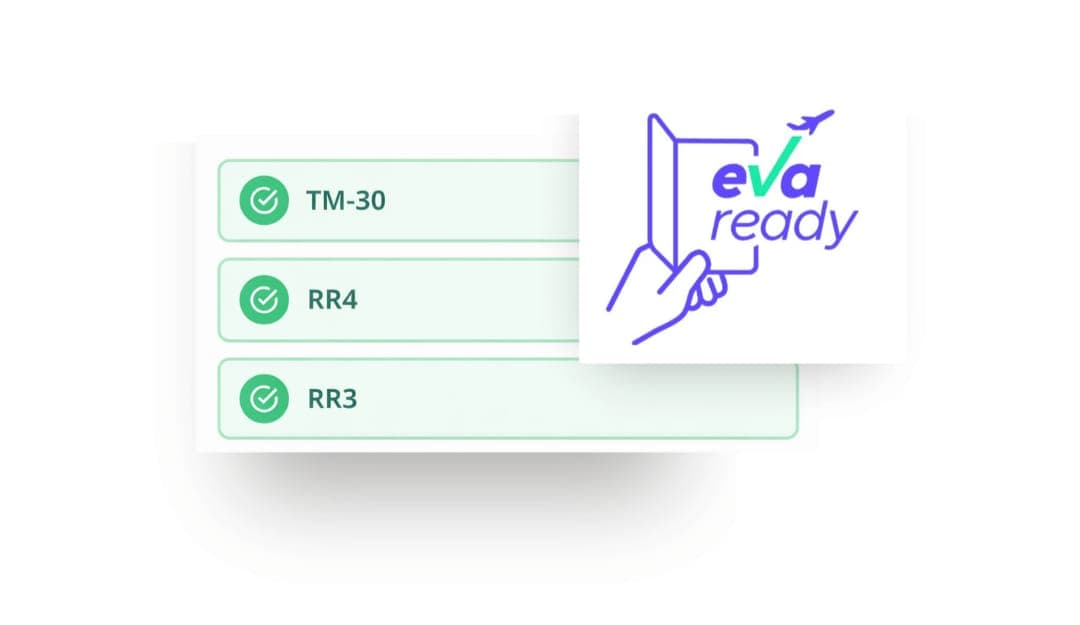
Thailand's TM30 requirements, RR3 and RR4 forms, and Singapore's EVA create administrative burdens. Manual processes involve photocopying passports, entering details into property management systems, and compiling reports — repetitive, error-prone, and time-consuming.
Modern systems capture passport data through optical character recognition at check-in, auto-populate forms, and generate required reports automatically. Compliance becomes a byproduct of check-in, not a separate task.
5. Guests are complaining about wait times (or you're worried they will)
Peak seasons and group arrivals create check-in queues that damage first impressions. Guest expectations have shifted — travellers expect self-service options familiar from airlines and retail. Eliminating human interaction isn't necessary; offering choice works best.
The system lets speed-focused guests check in within minutes while guests preferring personal attention still receive it from less-occupied staff.
What to look for in a self check-in system
- Works without hardware investment. Kiosk-based systems cost thousands upfront. Phone-based or tablet solutions minimise or eliminate hardware expenses.
- Handles Asian compliance out of the box. Solutions designed without regional requirements create perpetual workarounds.
- Doesn't require PMS integration to start. Many small hotels lack robust property management systems. Systems should function standalone initially with integration options later.
- Supports multiple languages. International guests require multilingual interfaces beyond English.
- Includes fallback support. Self check-in shouldn't mean zero assistance. The best systems offer video calls, chat, or AI concierge access without interrupting the check-in flow.
The two-minute test drive
One or two signs suggest your current set-up is adequate, though monitoring the option remains wise. Three or more is a strong operational and financial case for change.
Try an interactive demo (2 minutes, no passport required, no data retention) or start a free trial to experience the system firsthand.